

Setlists and Song Structure: How the Grateful Dead Built Their Live Magic
Picture the Lyceum Theatre in London, May 1972. The house lights dim, and instead of launching straight into a hit, the Grateful Dead ease into a loose, rolling groove that could go anywhere. Over the next three hours, the setlist unfolds like a conversation rather than a script — a country-tinged ballad here, a twenty-minute improvisation there, and a segue that stitches two completely different songs into one seamless piece of music. That unpredictability is exactly why we keep coming back to the tapes decades later. On this page, we break down how the Dead structured their shows, how their songs worked as flexible frameworks rather than fixed compositions, and how UK Deadheads can still explore this extraordinary body of live work today.
The Anatomy of a Grateful Dead Setlist
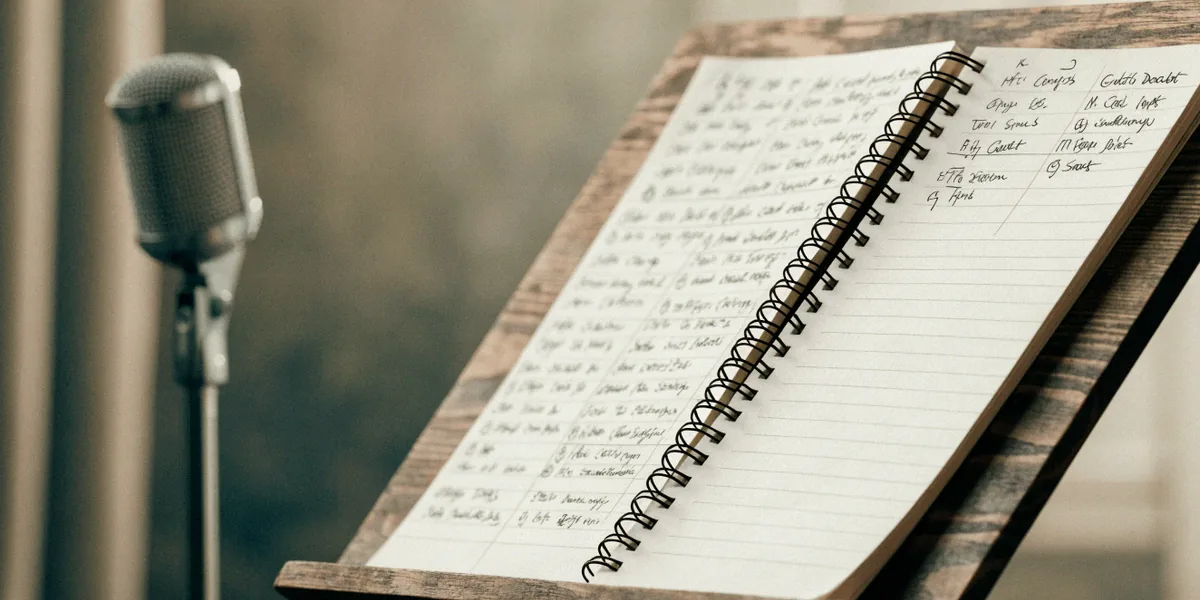
Most Grateful Dead shows followed a rough two-set format, though the band delighted in bending it. The first set tended to be tighter and more song-focused, while the second set was where the real exploration happened. Nothing was ever guaranteed, which is precisely what made following the band — night after night, tour after tour — such an obsession for Deadheads.
First Set: Song-Oriented Warm-Ups
The opening set usually gave audiences a run of shorter, more structured material: folk and country-leaning numbers, blues covers, and rockers that clocked in at a manageable four or five minutes. Think ‘Bertha’, ‘Jack Straw’, or ‘Brown-Eyed Women’. These songs let the band warm up their interplay and gave casual listeners something to latch onto before the deep dive began. Even here, though, a jam could sneak in — a stretched-out ‘Bird Song’ or a ‘Cassidy’ that drifted further than expected.
Second Set: The Jam Odyssey
The second set was the heart of the experience. This is where ‘Scarlet Begonias’ would melt into ‘Fire on the Mountain’, where ‘Dark Star’ could wander for half an hour through abstract, almost free-jazz territory before resolving into something unexpectedly tender. The band treated the second set as a single continuous piece of music, with songs serving as signposts rather than destinations. For many of us, the moment the second set began was when the evening truly started.
Encores and Unexpected Twists
Encores were rarely just a victory lap. The Dead might close with a tender ‘Brokedown Palace’, a raucous ‘One More Saturday Night’, or a cover nobody saw coming. Sometimes the encore connected back to a theme from earlier in the show, and sometimes it was simply whatever felt right in that moment. That refusal to repeat themselves is what keeps archive recordings so compelling.
Song Structure and Improvisation: The Dead’s Unique Approach
Where most bands treat a song as a finished object, the Grateful Dead treated theirs as raw material. A tune was a set of chords, a lyric, and a feeling — and from there, anything could happen. Jerry Garcia once described the band as being in the business of “moment-to-moment” music, and you can hear that philosophy in every extended ‘Playing in the Band’, which could easily run past twenty minutes without ever feeling padded.
Verse-Chorus as a Launchpad
The familiar verse-chorus structure gave the band a home base to return to after improvisational excursions. A song like ‘Playing in the Band’ might open with its recognisable vocal, drift into a long instrumental passage, and then snap back to the chorus as if nothing had happened. That tension between the known and the unknown is the engine of the whole thing.
The Art of the Segue
Segues were the Dead’s signature move — transitions where one song flowed directly into another without a pause. The notation ‘Scarlet Begonias > Fire on the Mountain’ tells you the band never stopped playing between them. Some segues were carefully rehearsed; others emerged spontaneously on stage. Either way, they blurred the boundaries between songs and turned a setlist into a single, unfolding narrative.
Jerry Garcia’s Improvisational Leadership
Garcia acted as the band’s unofficial guide, often deciding mid-jam where the music would head next. His guitar lines could be lyrical and melodic or angular and searching, and the rest of the band — Bob Weir, Phil Lesh, Bill Kreutzmann, Mickey Hart — responded in real time. Nobody conducted; everybody listened. That collective intuition is why no two versions of the same song ever sound alike.
Iconic Setlists and Their Stories
Certain shows have become legendary among Deadheads, passed around on tape and later digitised for anyone to hear. Here are three that every UK fan should seek out.
Cornell 5/8/77: The Holy Grail
Cornell University’s 5/8/77 show is often cited as one of the best Grateful Dead performances ever captured. The first set is tight and joyful, but the second set — with a sublime ‘Scarlet Begonias > Fire on the Mountain’ and a transcendent ‘Morning Dew’ — is what sealed its reputation. If you only listen to one show, this is the one.
Europe ’72: The Tour That Defined the Dead
The Grateful Dead’s Europe ’72 tour included a legendary show at the Lyceum Theatre in London, and the resulting live album became many fans’ entry point. The tour found the band balancing tight harmonies with sprawling improvisation, and the Lyceum run in particular is treasured for its warmth and energy.
The Closing of Winterland: A New Year’s Eve Spectacle
On 31 December 1978, the Dead played the final show at San Francisco’s Winterland Ballroom — a venue that had been central to their story. The marathon performance stretched past midnight and featured guest appearances, elaborate staging, and a setlist that captured everything the band did well. It remains a landmark in their live catalogue.
Dead Symbols and Their Roots in Song Structure
The band’s visual language is as recognisable as their music, and many of those symbols trace directly back to specific songs and lyrical themes.
The Stealie and ‘The Other One’
The stealie — that skull with a lightning bolt through it — originated from a 1969 album cover and is now a staple of Deadhead culture. It’s closely tied to ‘The Other One’, the sprawling improvisational piece that often served as a launchpad for the band’s darkest, most exploratory jams.
Dancing Bears and ‘Sugar Magnolia’
The marching bears first appeared on the cover of the 1973 album History of the Grateful Dead, Volume One (Bear’s Choice), and they’ve since become a cheerful shorthand for the band’s playful side — much like ‘Sugar Magnolia’, a song full of sunshine and movement.
Roses and ‘Scarlet Begonias’
Roses appear throughout Dead iconography, and they’re inseparable from ‘Scarlet Begonias’, with its opening line about a flower in a garden. At UK Deadhead gatherings, you’ll see these symbols on T-shirts, posters, and setlist artwork passed between friends.
How UK Deadheads Can Explore Setlists Today
You don’t need to have been at the shows to fall in love with them. Here’s how to dig in from the UK.
Online Archives and Databases
The Internet Archive offers thousands of free Grateful Dead live recordings for streaming, and sites like Deadbase and Headyversion let you search setlists by song, date, or venue. It’s an extraordinary resource for anyone wanting to trace how a particular tune evolved over the years.
Official Live Releases
The ‘Dick’s Picks’ series, the ‘Road Trips’ collections, and the massive ‘Europe ’72: The Complete Recordings’ box set all provide professionally mixed documents of key performances. Many are available on streaming services, making them easy to access from anywhere in the UK.
UK Tribute Bands and Fan Communities
UK Deadheads gather at events like the ‘Dead on the Tyne’ festival in Newcastle, and tribute acts regularly play venues such as the O2 Academy and smaller clubs around the country. These gatherings are a great way to meet fellow fans and hear the music live.
- Internet Archive — free streaming of thousands of shows
- Dick’s Picks and Road Trips — official live releases
- Dead on the Tyne — Newcastle-based fan festival
- O2 Academy venues — regular touring tribute shows
The Legacy of Grateful Dead Setlists in Modern Music
The Dead’s approach to live performance didn’t just define their own career — it shaped an entire genre.
Influence on Jam Bands
Phish, Widespread Panic, and countless others built their careers on the Dead’s model of two-set shows, segues, and never playing the same setlist twice. Even bands outside the jam scene have borrowed their willingness to let songs breathe on stage.
The Rise of ‘Setlist Culture’
Today, fans of all kinds of bands obsessively track setlists online, compare versions, and hunt for that one perfect performance. The Grateful Dead pioneered that culture decades before the internet made it easy.
Why the Dead Still Matter to UK Fans
For UK Deadheads, the music offers something increasingly rare: a body of work that rewards deep listening and never runs out. Every archive recording is a fresh chance to hear the band discover something new in real time.
FAQ
What is the best Grateful Dead show to start with?
Cornell University’s 5/8/77 show is often cited as one of the best Grateful Dead performances and makes an excellent starting point. The Europe ’72 recordings are another great entry.
Where can UK fans listen to Grateful Dead live recordings for free?
The Internet Archive offers thousands of free Grateful Dead live recordings for streaming, accessible from anywhere in the UK.
What does the stealie symbol mean?
The stealie originated from a 1969 album cover and is now a staple of Deadhead culture, closely associated with the song ‘The Other One’.
Are there Grateful Dead events in the UK?
Yes — UK Deadheads gather at events like the ‘Dead on the Tyne’ festival in Newcastle, alongside tribute band shows at venues such as the O2 Academy.
Why did the Grateful Dead never play the same setlist twice?
The band treated songs as flexible frameworks rather than fixed compositions, allowing improvisation and segues to shape each performance uniquely.
Grateful Dead setlists are living documents of improvisation — never finished, always evolving. We’d encourage every UK Deadhead, whether you caught the band live or discovered them through the archives, to dive into the recordings and experience that magic for yourself. There’s always another version waiting to surprise you.