Deadhead Culture: Tapers, Tours and Community
We still remember the first time a crackling bootleg cassette changed everything for our team. It was a rainy Tuesday in a cramped London flat, and a friend had passed us a TDK 90 with a hand-scrawled label reading “Wembley ’81 — side A.” The hiss, the distant crowd roar, the opening notes of “Shakedown Street” — it felt like being handed a passport to another world. That tape led us down a rabbit hole of trading, touring stories and lifelong friendships, and it is the reason this site exists. Deadhead culture is not just about the Grateful Dead; it is about the people who followed them, recorded them and kept the flame burning across the Atlantic.
The Tapers: Preserving the Grateful Dead’s Live Legacy
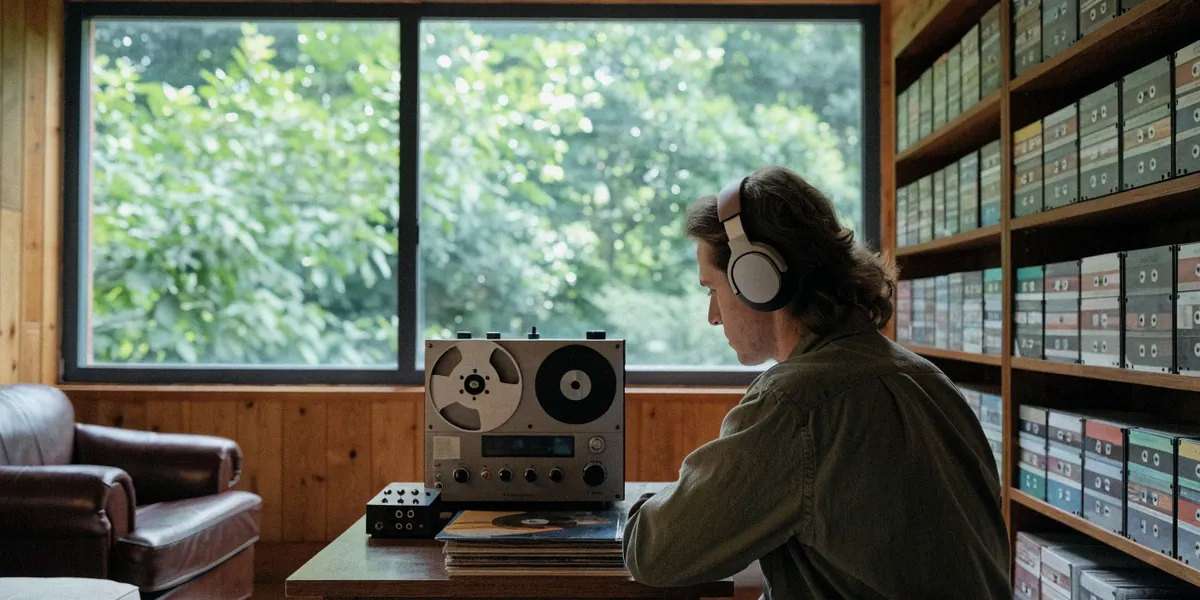
The Grateful Dead did something almost unheard of in the music industry: they let their fans record the shows. That decision, championed in part by sound engineer Owsley “Bear” Stanley, created one of the largest archives of live performances in rock history. Bear’s innovative taping setups and the band’s taper-friendly policy meant that nights at Wembley Arena in 1972 and 1981, or at Alexandra Palace during the 1970s, were captured for posterity by fans sitting quietly in the audience with microphones taped to their hats.
The Taper’s Section: A Sacred Space
At any Dead show, the taper’s section was a zone of intense concentration. Cassette decks were clamped to seats, mic stands rose above the crowd, and nobody dared clap too loudly near a recording rig. Tapers shared setlists, swapped blank tapes and guarded their master copies like treasure. For UK fans who could not travel to every show, these recordings were the only way to hear what happened in California or New York.
From Analog Cassettes to Digital Archives
Today the tradition lives on through digital archives and streaming collections. What began with reel-to-reel machines and Maxell cassettes now exists as lossless files traded online. The ethos remains identical: the music belongs to the community. Without the tapers, the Grateful Dead’s live legacy would be a fraction of what it is.
On Tour: The Deadhead Pilgrimage
Touring with the Grateful Dead was never simply about attending concerts. It was a pilgrimage. In the United States, caravans of fans — loosely organised under the banner “Dead Freaks Unite” — followed the band from city to city, sleeping in vans and cooking on camp stoves. For UK Deadheads, the pilgrimage meant something different: crossing the Channel and chasing the band through Europe, particularly during the 1972 and 1981 tours.
The Shakedown Street Phenomenon
Outside every venue, a temporary village appeared. Named after the band’s song, Shakedown Street was where you could buy tie-dyed shirts, veggie burritos, hand-painted posters and bootleg tapes. It was a marketplace, a reunion and a carnival all at once. UK fans who made the trip to Wembley Arena in 1981 remember the car park buzzing hours before the doors opened.
UK Deadheads on the Road: From London to Paris
Following the Dead across Europe required commitment. Trains, ferries and hitchhiking were all part of the adventure. London shows at Wembley Arena and Alexandra Palace were the anchor points, but the truly dedicated pushed on to Paris, Amsterdam and beyond. Those journeys forged friendships that have outlasted the band itself.
The Community: Deadheads as a Global Family
Ask any Deadhead and they will tell you: the community is the point. Across the UK, that family gathers online and in person. The Grateful Dead UK Fans Facebook group connects British Deadheads from Cornwall to Scotland, sharing setlists, ticket stubs and memories. It is where a newcomer in Manchester can ask which Europe ’72 recordings to start with, and get twenty thoughtful answers within an hour.
Tape Trees and Vine Networks
Before the internet, tape trees and vine networks kept the music circulating. One person would copy a show onto several cassettes and mail them to branches, who would copy again and pass them on. It was slow, expensive and utterly joyful. The digital era has replaced the postage stamps, but the principle of generosity remains unchanged.
Deadhead Meetups in the UK: The Brighton Gathering
The annual Brighton Deadhead gathering is the highlight of the British calendar. Fans descend on the seaside city for a weekend of music, memorabilia and storytelling. Cover bands play, rare recordings are swapped, and old touring companions reunite. If you want to understand what Deadhead culture feels like in the UK, Brighton is where you start.
Symbols of the Dead: Icons That Unite Deadheads
The Grateful Dead’s visual language is instantly recognisable. These symbols appear on T-shirts, tattoos, stickers and fan art across the UK, functioning as a quiet signal between strangers.
- Steal Your Face — the lightning-bolt skull that has become the band’s most famous emblem.
- Dancing Bears — playful, colourful and endlessly reproduced on merchandise.
- Terrapin Turtle — a nod to the song “Terrapin Station” and a favourite among serious collectors.
- Thirteen-Point Lightning Bolt — a subtle detail that only true fans notice.
Steal Your Face: The Iconic Logo
Designed for the 1976 album of the same name, the Steal Your Face skull is the closest thing Deadheads have to a uniform. Spot it on a jacket in Camden or a festival in Glastonbury and you have instantly found a friend.
Dancing Bears and Terrapins: Symbols of Joy
The dancing bears, originally drawn for the album “History of the Grateful Dead, Volume One (Bear’s Choice),” represent the lighter side of the culture. The terrapin, meanwhile, carries a more mystical weight, tied to the band’s fascination with folklore and journeys.
Jerry Garcia’s Legacy in the UK
Jerry Garcia was the gravitational centre of the Grateful Dead. His guitar playing — a blend of bluegrass, jazz, blues and psychedelia — influenced generations of musicians on both sides of the Atlantic. For UK Deadheads, his appearances on British soil were rare and precious.
Jerry’s UK Shows: A Rare Treat
When the Dead played the Rainbow Theatre in 1981, British fans finally had the chance to see Garcia up close. His solos that night are still discussed in fan circles, and recordings from the era remain treasured. Wembley Arena in 1981 offered another landmark moment, with Garcia guiding the band through extended improvisations that left the audience stunned.
The Garcia Effect on British Musicians
Garcia’s influence ripples through the British jam scene. Bands across the UK cite his phrasing, tone and willingness to take risks as a blueprint. His approach to improvisation — never repeating the same solo twice — remains a lesson for any musician who wants to play honestly.
Dead Albums: Studio Gems and Live Compilations
The Grateful Dead’s studio albums and live compilations tell two different but equally important stories. “American Beauty” and “Workingman’s Dead” captured their folk and country side, while “Live/Dead” documented the psychedelic explorations that made their concerts legendary.
Europe ’72: The UK Connection
The Europe ’72 tour is arguably the most beloved chapter in Dead history. It included London performances that are fan favourites to this day, and the resulting live album introduced countless UK listeners to the band. The recordings from that tour remain the gateway drug for new Deadheads.
From Studio to Stage: The Dead’s Album Evolution
Each studio album fed directly into the live show. Songs from “American Beauty” became improvisational vehicles on stage, while tracks from “Terrapin Station” and “Blues for Allah” grew into sprawling epics in concert. For UK collectors, owning both the studio and live versions of a song is part of the ritual.
FAQ
What is a Deadhead?
A Deadhead is a dedicated fan of the Grateful Dead, known for following the band on tour, trading recordings and participating in a global community built around the music.
Why were the Grateful Dead so friendly to tapers?
The band, encouraged by figures like Owsley “Bear” Stanley, allowed audience recording because they believed the live experience belonged to the fans. This policy created an enormous archive of performances.
Did the Grateful Dead ever play in the UK?
Yes. The band played Wembley Arena in 1972 and 1981, and Alexandra Palace was a key venue for UK Deadheads in the 1970s. The Europe ’72 tour also included London performances that remain fan favourites.
How can UK fans connect with other Deadheads?
The Grateful Dead UK Fans Facebook group is the largest online hub, and the annual Brighton Deadhead gathering brings the community together in person each year.
What are the most important Grateful Dead symbols?
The Steal Your Face skull, the dancing bears and the terrapin turtle are the most recognisable, appearing on merchandise, fan art and tattoos worldwide.
Deadhead culture in the UK is not a nostalgia act. It is a living, breathing community of tapers, travellers and friends who keep the Grateful Dead’s music circulating through cassettes, hard drives and late-night conversations. From the taper’s section at Wembley to the annual Brighton gathering, the spirit of the Dead is very much alive on this side of the Atlantic.